
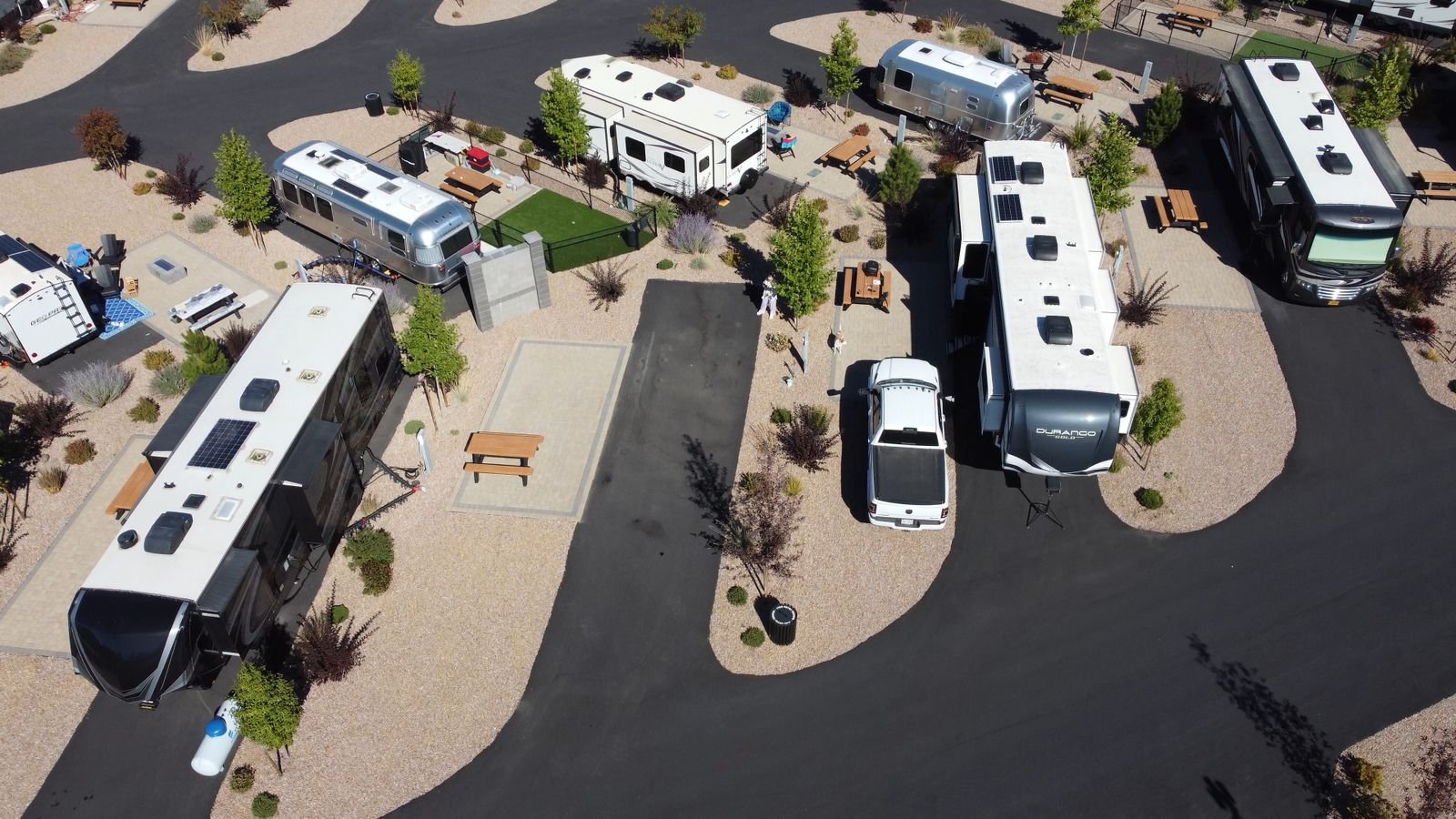
A shiny new RV on the lot smells great and has nothing worn out. A used one down the road costs a lot less and looks almost the same in photos.
Both can be a smart buy. The right one for you comes down to your budget and how handy you are.
The case for buying new
You get a warranty. If something breaks in the first year or so, the dealer or maker is supposed to fix it. Read what it covers and for how long.
You get to pick. Floor plan, colors, options. You’re not stuck with someone else’s choices.
You know its history. Nobody else left the roof unsealed or the tanks full all winter.
Easier loans. Banks are often happier to lend on a new RV.
The downside is that new RVs lose value fast, mostly in the first few years. Drive it off the lot and it’s already worth less than you paid.
New doesn’t mean perfect, either. Plenty of new RVs show up with loose trim, leaks, or things that don’t work. Your first few trips are often a shakedown. You find the problems, then wait for the dealer to fix them. Ask how long their service wait is before you buy.
The case for buying used
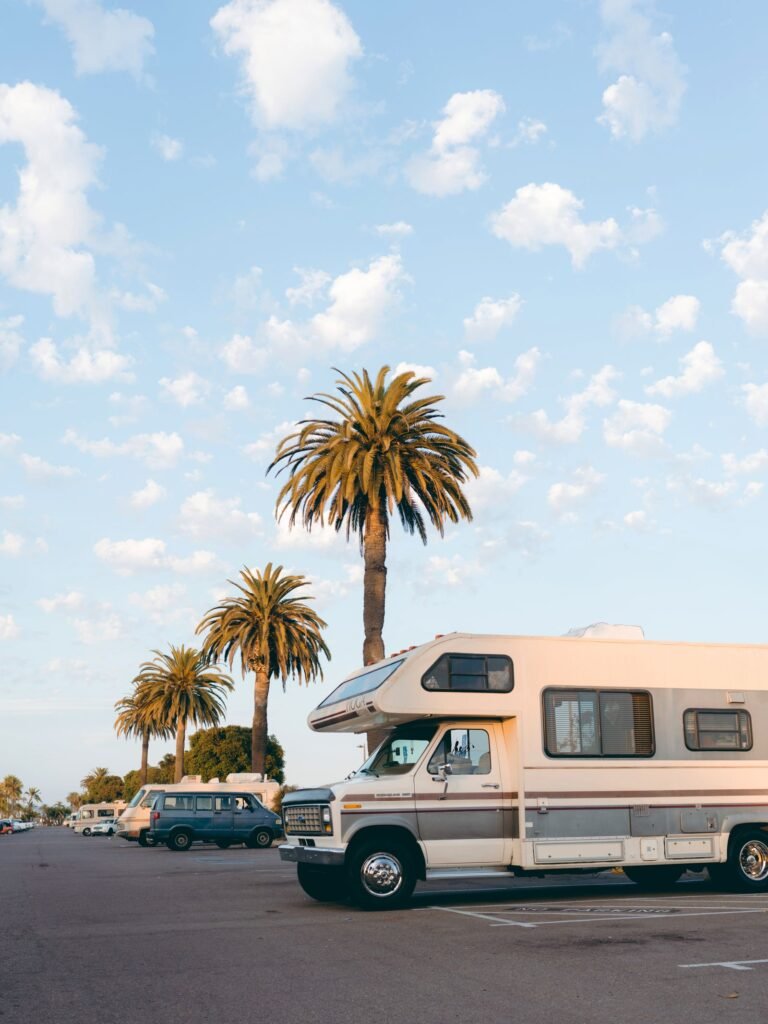
It costs a lot less. Someone else already took that big early drop in value.
The early bugs are often worked out. The first owner may have already found and fixed the factory problems.
More RV for your money. For the price of a small new trailer, you might get a bigger or nicer used one.
The downside is the unknown. You don’t know how it was stored, if it leaked, or if the owner kept up with the basics. A used RV can be a great deal or a money pit. The inspection is what tells you which.
Many buyers look at RVs that are a few years old. That way most of the value drop is behind it, but it’s not worn out.
What to check on a used RV
Bring a flashlight and take your time. Here’s what to look for:
Water damage. This is the big one. Water damage is the most common and most expensive problem in RVs.
- Look for stains on the ceiling and walls, mostly around windows, vents, and corners.
- Press on the walls and floor. Soft or spongy spots mean rot underneath.
- Look for bubbles or waves in the outside walls. That can mean the wall is coming apart from water.
- Smell it. A musty smell is a warning sign.
The roof. Climb up if it’s safe, or ask the seller for photos. Look for cracked or peeling sealant around every vent, seam, and the AC unit.
Tires. Find the date code on the tire wall. The last four numbers are the week and year it was made. Old tires can fail even with lots of tread left, so plan to replace them if they’re getting up there in age.
Everything that runs. Test the fridge on both gas and electric if it has both. Run the AC, furnace, water heater, water pump, and every light. Put the slides and awning out and back in.
The paperwork. Ask for service records. Make sure the title is clean and the name matches the seller.
Pay for an inspection
Even if it looks great, hire an independent RV inspector before you hand over money. Look for one certified by the National RV Inspectors Association (NRVIA). Don’t use one the seller picks for you.
An inspection costs some money up front. A roof leak that’s rotted a wall can cost thousands. It’s worth every penny.
So which one is right for you?
New might fit you better if:
- You want a warranty and peace of mind
- You don’t like fixing things
- You plan to keep it a long time
Used might fit you better if:
- You want to spend less, or get more RV for the money
- You’re handy, or you know someone who is
- You’re still figuring out what kind of camping you like
If you’re brand new to RVing, buying used and smaller can be a smart first step. You’ll learn what you really want. Then, if you upgrade later, you won’t lose as much when you sell.
Next step: If you haven’t yet, read what to know before you buy your first RV.